The Future of Gas-Powered Home Heating
As you consider your home heating alternatives, the future of gas-powered systems is ending up being significantly intricate. With installing environmental worries and developing regulations, you may question exactly how these adjustments will certainly affect your comfort and costs. Innovations in innovation are on the horizon, yet they feature their very own set of obstacles and chances. What does this mean for your current arrangement, and how might it affect your decision-making in the coming years? The solutions could improve your understanding of home heating significantly.
Trick insights
- Gas furnace might encounter enhanced regulative scrutiny as a result of discharges standards, influencing future fostering and innovation improvements.
- Advancements like reduced exhaust heaters and hybrid systems intend to enhance gas heating effectiveness while lowering ecological effect.
- The marketplace is changing towards energy-efficient and sustainable solutions, resulting in a prospective decrease in standard gas heating reliance.
- Home owner motivations for energy-efficient systems might promote the continued use gas heating in the short-term.
- Smart home innovation combination can maximize gas heating systems, boosting comfort and power performance in future applications.
Existing Use of Gas Heating
A significant number of families throughout the United States still count on gas heating systems for their heat throughout the cooler months. These systems commonly supply high gas heating effectiveness, enabling house owners to preserve comfy indoor temperatures while lessening power costs. By transforming gas right into warmth, these systems typically surpass electrical options regarding power effectiveness, enabling you to appreciate considerable cost savings on your utility bills.
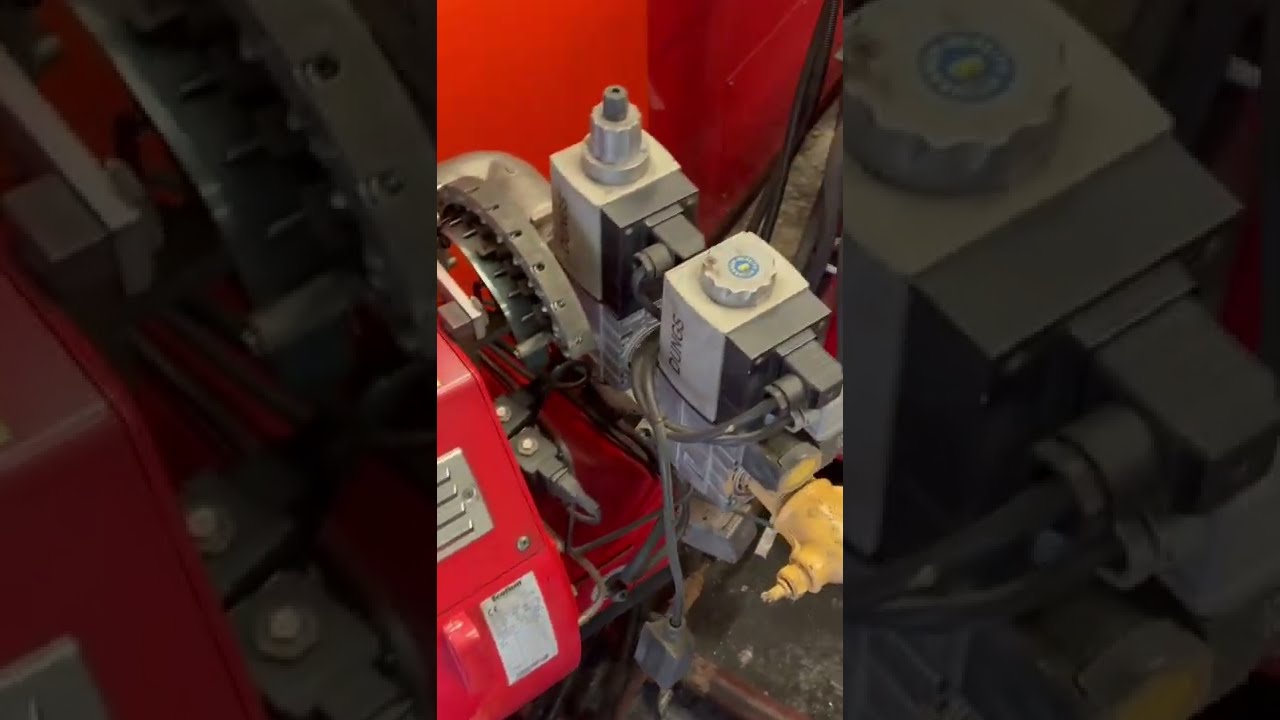
Moreover, the stability of gas supply plays a crucial role in the continuous choice for gas heating. Many areas benefit from abundant gas books, making certain that households have consistent access to this power resource. This integrity is a vital element that influences your decision when selecting a furnace. As you consider your heating choices, it's important to evaluate the performance and stability that gas systems offer against the capacity for rising power prices and market changes.
Environmental Impact Concerns
When considering gas-powered home heating, it's crucial to examine its discharges and their influence on air quality. You're likely mindful that these systems contribute to greenhouse gases, which increases worries about their long-lasting sustainability. Checking out renewable resource choices can supply insights into even more environmentally friendly options for home heating.
Discharges and Air Quality
Gas-powered home heating unit greatly impact exhausts and air top quality, increasing worries among environmental specialists and homeowners alike. As these systems burn natural gas, they launch various pollutants that can weaken indoor and outdoor air quality. Understanding these emissions is crucial for evaluating their ecological influence.
Here are some bottom lines to contemplate:
- Greenhouse gases: Gas heating adds to co2 (CO2) emissions, a substantial greenhouse gas impacting environment modification.
- Nitrogen oxides (NOx): These emissions can result in respiratory system problems and add to smog formation.
- Particle matter: Penalty particles from gas burning can penetrate deep into lungs, causing illness.
- Indoor air high quality: Gas leaks or incomplete burning can introduce hazardous contaminants right into your home atmosphere.
- Regulative criteria: Regional guidelines may progress to resolve discharges, possibly affecting future gas furnace.
Renewable Resource Alternatives
While conventional gas heating unit increase considerable ecological concerns, renewable energy alternatives existing an appealing remedy to minimize emissions and boost air quality. Technologies like solar thermal systems harness the sun's energy, giving an effective home heating method. Heatpump can extract heat from the air or ground, significantly reducing power intake contrasted to gas systems. Geothermal power, sourced from the Planet's warm, offers a lasting alternative that can power homes with marginal environmental effect.
Integrating energy storage remedies can boost these systems, permitting you to keep excess power for later usage, therefore boosting total power performance. Bioenergy systems, which make use of natural materials, likewise contribute to a greener home heating solution. Arising approaches like hydrogen heating present a cutting-edge strategy, possibly permitting cleaner burning processes.
To maximize the benefits of these choices, you must think about insulation improvements and wise home technologies. These lasting practices assure that your home retains heat efficiently while reducing general power needs. By changing to renewable energy alternatives, you can considerably alleviate the ecological impact of home heating and contribute to a cleaner, more lasting future.
Technological Advancements Ahead
As the landscape of home heating progresses, several technical technologies are readied to improve how we come close to gas-powered systems. Welcoming these improvements can considerably improve your home's power performance and environmental influence.
Consider the following technologies:
- Smart Thermostats: These gadgets learn your routines and adjust the heating appropriately, maximizing power usage.
- Hybrid Systems: By incorporating gas and electrical heat pumps, you can attain a balance that makes best use of efficiency and lowers discharges.
- Reduced Exhaust Burners: These burners minimize pollutants, making your furnace cleaner and extra eco-friendly.
- Sensing unit Combination: Sensing units keep an eye on various specifications, enabling real-time modifications that boost efficiency and convenience.
- Predictive Maintenance: With IoT connection, anticipating maintenance informs you to possible issues before they come to be expensive problems.
Including automated controls and advanced combustion innovation can even more streamline your heating system, making it smarter and more receptive. By embracing these technologies, you not only improve your home's heating performance yet also add to a more lasting future. The integration of these modern technologies stands for a considerable leap onward in gas-powered home heating, guaranteeing that your systems are both reliable and environmentally accountable.
Regulatory Changes and Implications
The landscape of home heating is not simply being shaped by technical technologies; regulative changes are additionally playing a significant duty. As you browse the future of gas-powered home heating, you'll see that regional, state, and federal guidelines are progressively affecting market characteristics. Stricter discharges requirements and incentives for power effectiveness are triggering home owners to reevaluate their home heating selections.
These plan effects can produce both obstacles and opportunities. As an example, as laws tighten, the expense of conformity for gas heating systems might rise, possibly pushing customers toward alternate options. On the other hand, these changes could likewise stimulate innovation in gas technology, as makers seek to adapt to new standards.
You need to think about exactly how these regulative changes may impact your long-lasting heating choices. As the market progresses, understanding the effects of new policies will certainly be crucial. Monitoring federal government initiatives and local mandates will certainly assist you make informed choices regarding your home heating choices. Eventually, remaining abreast of governing changes will certainly not just shape your present selections but additionally guide you towards future power remedies that line up with a progressively ecologically aware market.
Alternatives to Gas Home Heating
As you think about alternatives to gas home heating, electric heating options and renewable energy options come to the leading edge. Electric systems, like heat pumps and radiant boiler repair in Swanley heat, deal efficient ways to maintain convenience in your house. At the same time, integrating renewable energy resources, such as solar or wind, can substantially minimize your dependence on fossil fuels.
Electric Home Heating Options
Exploring electrical home heating options reveals a variety of alternatives to conventional gas-powered systems that can meet your home's demands properly. Among one of the most preferred choices is electrical heatpump, which can efficiently both heat and cool your space. They function by moving warm as opposed to creating it, making them a lasting choice.
To enhance your electric heating system, examine incorporating wise thermostats. These tools allow you to maximize power use by discovering your choices and readjusting setups as necessary. Right here are some vital electric home heating options to take a look at:
- Electric Warmth Pumps: Versatile systems ideal for various environments.
- Baseboard Heaters: Simple installment and effective in smaller sized spaces.
- Radiant heat: Offers heat through floorings or wall surfaces, producing a cozy atmosphere.
- Infrared Heaters: Directly warms up items and people in the space as opposed to the air.
- Electric Boilers: Efficiently heats up water for radiators or underfloor furnace.
Renewable Resource Solutions
Renewable resource solutions provide a compelling alternative to gas heating, offering eco-friendly and lasting choices for house owners. Solar thermal systems harness the sunlight's power to heat water, giving an efficient way to satisfy your family requires. Biomass heating makes use of organic products, promoting lasting techniques while decreasing reliance on nonrenewable fuel sources.
Geothermal systems use the planet's steady temperatures, providing regular heating & cooling, which enhances power effectiveness. Heat pumps, another practical option, transfer warmth as opposed to create it, making them very efficient for home heating.
Incorporating wind energy into your home can additionally supplement home heating, especially in suitable areas. Smart home technology can enhance these systems, permitting remote tracking and control, which makes the most of effectiveness and lowers power waste.
Cost Factors To Consider for House Owners
Guiding with the price evaluations of gas-powered home heating discloses an intricate landscape for homeowners. Recognizing the financial implications is crucial for making notified decisions. Below are a number of aspects to consider:
- Installment expenses can vary substantially based upon the system's intricacy and local rates.
- Maintenance expenditures are ongoing; normal examinations are crucial for efficiency and longevity.
- Long-lasting financial savings may counter first expenses, especially if you pick an energy-efficient version.
- Funding alternatives can reduce in advance costs, yet recognize interest rates and terms.
- Insurance coverage considerations might additionally affect your selections; some plans cover substitute timelines for heating systems.
Additionally, market fluctuations in energy rates can affect your long-lasting budgeting. Property owner motivations may be offered to help minimize some costs, urging a shift toward much more energy-efficient systems. Balancing these aspects can lead you to a choice that suits both your financial situation and heating demands. By reviewing these factors completely, you'll be better equipped to browse the landscape of gas-powered home heating successfully.
Future Fads in Heating Solutions
How will emerging modern technologies reshape the landscape of home heating? As you think about future trends, it's clear that developments like wise thermostats will play an essential role. These tools not just allow for remote temperature level control yet additionally learn your habits, enhancing heating timetables to improve power effectiveness. By adapting to your way of life, clever thermostats can considerably reduce power usage and reduced energy expenses.
Furthermore, improvements in furnace, including high-efficiency heating systems and heat pumps, will certainly additionally add to power effectiveness. These systems are created to extract even more warm from much less energy, making certain that your home remains comfortable without excessive gas use.
You'll also discover an expanding fad in the direction of combination with renewable energy sources. Photovoltaic panel, when incorporated with electric home heating solutions, can give a sustainable choice to standard gas-powered systems.
Regularly Asked Questions
How Can Homeowners Improve Gas Home Heating Effectiveness Today?
To enhance gas home heating efficiency today, you can start by upgrading your insulation. Proper insulation reduces warmth loss, allowing your system to function more successfully. Furthermore, consider installing clever thermostats. These devices discover your behaviors, maximizing energy use by changing temperatures when you're home or away. By incorporating insulation upgrades with wise innovation, you'll maximize your home heating effectiveness, decrease power bills, and create a more comfy living environment.
What Is the Lifespan of a Gas Heater?
The life-span of a gas furnace usually varies from 15 to thirty years, relying on elements like upkeep and use. To maximize your gas system long life, routine servicing is vital. In addition, home heating modern technology innovations can improve effectiveness, possibly extending the system's life. By staying informed concerning these technologies and proactively preserving your system, you can ensure it operates properly and lasts as long as feasible, giving reliable warmth for your home.

Are There Federal Government Rewards for Changing From Gas Heating?
Yes, there are government motivations for changing from gas heating. Lots of government refunds are offered for homeowners who update to energy-efficient systems. In addition, regional programs commonly supply more financial backing or tax obligation credit scores to encourage lasting practices. It is necessary to research study what particular motivations your location uses, as these can significantly minimize the ahead of time prices of transforming to more environment-friendly heating solutions. These programs not only save you money yet additionally advertise ecological benefits.
How Does Gas Heating Contrast to Electric Heating Expenses?
When you contrast gas home heating to electrical home heating expenses, you'll observe gas price fluctuations can substantially affect your costs. Usually, gas often tends to be less costly upfront, but electric home heating uses extra sustainability as it can utilize renewable resource sources. In time, the complete cost will certainly depend on your regional energy prices and usage patterns. Reviewing lasting expenses and sustainability could help you make an extra enlightened decision for your home.
What Upkeep Is Required for Gas Home Heating Equipments?
To maintain your gas furnace running effectively, you'll need routine upkeep. Set up system evaluations every year to capture any kind of concerns early. Perform security checks to guarantee every little thing's working effectively. Adjustment filterings system regularly to keep air movement, and tidy the burners for peak performance. Furthermore, consider air duct securing to stop heat loss, and adjust your thermostat gas engineer swanley for precise temperature control. By remaining on top of these jobs, you'll enhance effectiveness and extend the system's lifespan.
Recap
As the landscape of home heating develops, it's important for property owners to remain informed concerning the moving dynamics of gas-powered systems. While existing modern technologies use efficiency, the expanding focus on ecological responsibility and governing changes will likely drive the adoption of cleaner options. By discovering ingenious services and weighing price factors to consider, you can make informed decisions that line up with both your convenience and the earth's future. Accepting these patterns now might result in even more lasting and efficient home heating options down the line.